


 VN
VNGas System Installation According to Technical Standards – A Safe and Effective Solution for Every Project
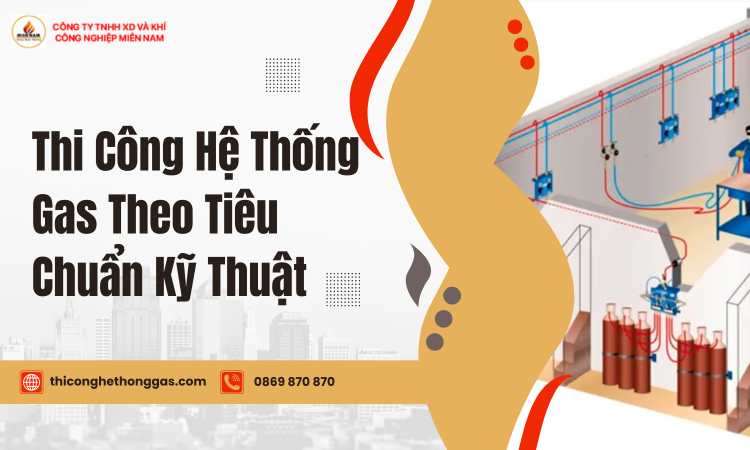
Gas System Installation – The Decisive Factor for Safety and Operational Efficiency
In modern projects such as restaurants, hotels, commercial kitchens, manufacturing factories, hospitals, and schools, Gas System Installation is not just a simple process of piping and equipment setup, but a critical technical category that directly affects human safety and long-term operational efficiency. A system installed according to technical standards will help optimize fuel costs, minimize gas leakage risks, ensure stable operation, and fully comply with fire prevention and fighting regulations.
With the growing demand for LPG in production facilities and food service businesses, choosing a professional Gas System Installation contractor has become a top priority. Not only requiring an experienced engineering team, but the contractor must also deeply understand technical standards, inspection procedures, and utilize quality-certified equipment to ensure the system operates durably over many years.
With many years of experience in designing, installing, and maintaining industrial gas systems, SOUTHERN CONSTRUCTION AND INDUSTRIAL GAS CO., LTD always delivers optimized solutions that meet strict technical, quality, and safety requirements for all types of projects.
What is Gas System Installation according to technical standards?
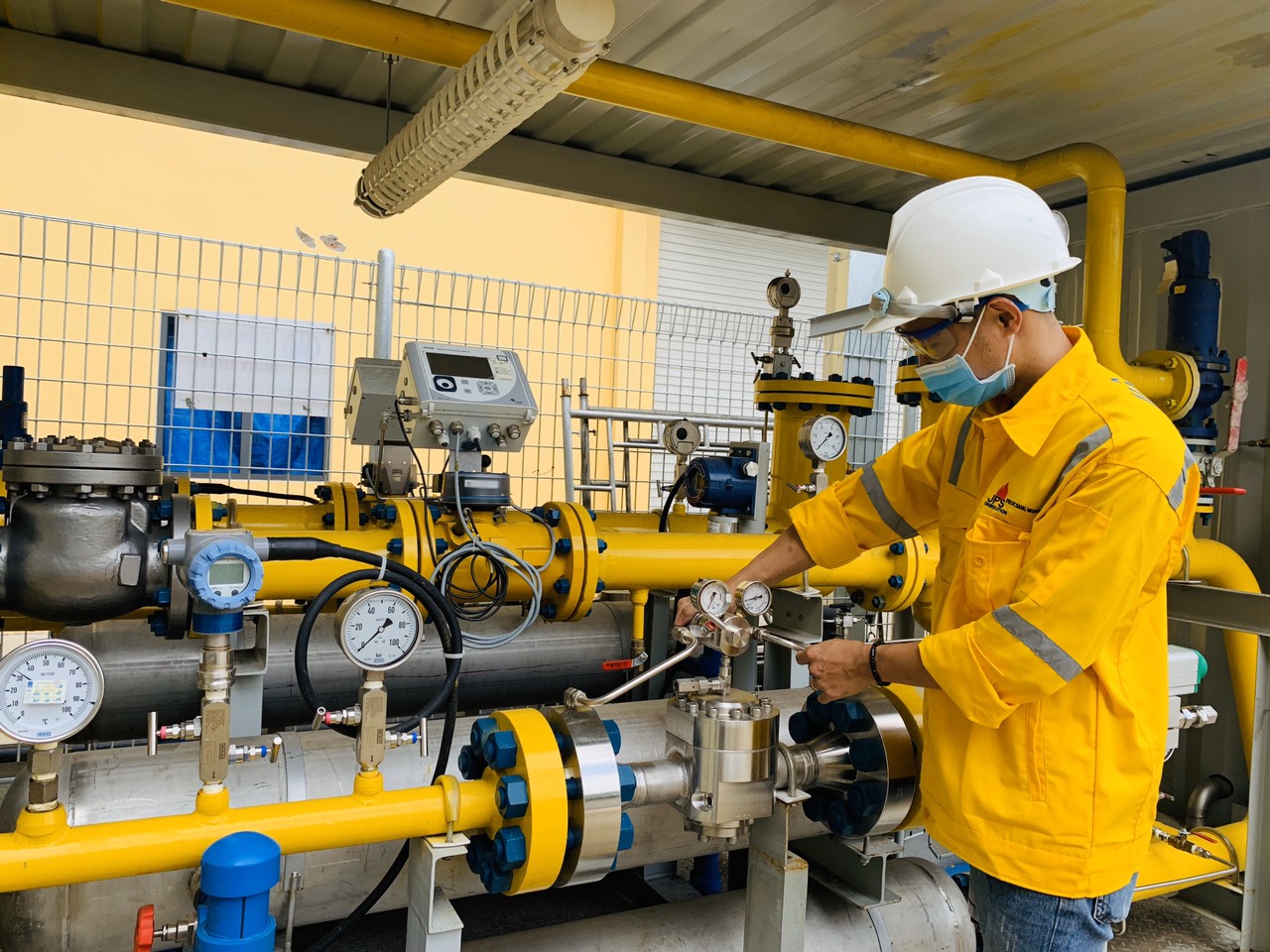
Gas System Installation according to technical standards is the comprehensive process of surveying, designing, equipment selection, installing, testing, commissioning, and certifying the gas supply system in strict compliance with current technical codes and standards. The objective of this process is to ensure the system operates safely, stably, saves fuel, and minimizes any potential hazards during utilization.
A standard-compliant Gas System Installation not only meets continuous fuel supply demands but also ensures key requirements such as:
-
Rationally designed piping system.
-
Stable gas supply pressure.
-
Quality standard-compliant equipment.
-
Full integration of shut-off valves and safety valves.
-
Proper safety clearance distance layout in accordance with regulations.
-
Meeting fire prevention and fighting requirements.
-
Easy maintenance and periodic inspections.
These are the foundational factors that give businesses peace of mind throughout the exploitation and usage of the gas system.
What benefits does a technically correct Gas System Installation bring?
A gas system designed and installed in accordance with technical standards not only satisfies the demand for stable fuel usage but also serves as the cornerstone for safe, economical, and sustainable business operations. For facilities such as restaurants, hotels, factories, commercial kitchens, or hospitals, investing in Gas System Installation right from the start helps mitigate various risks and optimizes operational efficiency for many years. Below are the prominent benefits brought by a standard-compliant Gas System Installation.
Ensuring Absolute Safety During Operation
Safety is always the paramount criterion in any industrial Gas System Installation project. LPG is a highly efficient fuel source, but it also carries potential risks of fire and explosion if the system is not designed and installed correctly. Therefore, every stage from surveying, designing to installation must be carried out under a rigorous process.
In a standard-compliant Gas System Installation, all gas pipelines are meticulously calculated regarding diameter, length, and working pressure to match the consumption capacity. Welds and connections are thoroughly inspected to ensure absolute tightness, minimizing gas leaks during operation.
Alongside this, the system is fully equipped with safety devices such as main shut-off valves, branch valves, regulators, safety relief valves, pressure gauges, and gas leak detection systems when necessary. These components play a crucial role in controlling gas flow rate, detecting issues early, and preventing hazardous situations.
Before handover, the entire system must undergo pressure and tightness testing and actual test runs to ensure every detail complies with technical specifications. This allows clients to confidently put the system into use with high safety levels, reducing the risk of unexpected incidents during operation.
Optimizing Operational Efficiency
A high-quality Gas System Installation not only guarantees safety but also contributes to enhancing the overall operational efficiency of the entire facility. When the system is scientifically designed, gas flow is distributed evenly to each piece of equipment, helping commercial kitchens or production lines operate consistently.
For restaurants and hotels, stable gas pressure helps cooking stoves reach the desired heat output in a short time, reducing food preparation time, serving customers faster, and improving service quality. In manufacturing plants, a continuous gas supply ensures uninterrupted production lines, maintaining output schedules and boosting labor productivity.
Furthermore, a rational piping layout minimizes pressure drop across the system, avoiding unstable flames or equipment not achieving designed capacity. This is an essential factor for businesses to maintain long-term operational efficiency.
Saving Investment and Long-term Operational Costs
Many businesses often focus solely on initial installation costs without properly assessing the long-term economic benefits of a standard-compliant Gas System Installation. In reality, an optimally designed system significantly reduces gas consumption during usage.
Choosing the correct pipeline diameter, arranging proper pipe routing, and using suitable regulators help prevent fuel loss, optimize combustion efficiency, and lower monthly operating expenses. For facilities that consume large quantities of gas daily, these savings can yield substantial value throughout the system's lifespan.
Moreover, when high-quality materials are used and correct installation techniques are applied, businesses will minimize unexpected costs such as repairs, equipment replacements, leak fixes, or production downtime. This is an economic benefit that any entity aims for when investing in an industrial gas system.
Increasing the Lifespan of Equipment and the Entire System
Another key advantage of a safe Gas System Installation is extending the lifespan of all equipment and the pipeline network. When pressure is consistently maintained at a stable level, devices such as commercial burners, regulators, valves, and pressure gauges operate in ideal conditions, minimizing overload risks or premature damage.
Additionally, using standard-compliant materials with high pressure and corrosion resistance helps pipelines stay durable for many years. The system is also more convenient to maintain, clean, and inspect periodically, thereby extending its service life and lowering replacement costs.
For businesses operating continuously, a durable Gas System Installation not only yields financial efficiency but also contributes to smooth business and production activities, minimizing unwanted disruptions.
Complying with Technical Standards and Fire Prevention Requirements
Currently, projects utilizing industrial gas must strictly adhere to regulations on technical safety and fire safety. Installing the gas system in compliance with technical standards helps businesses fully meet management authority requirements, smoothing the inspection process and facilitating the commissioning of the facility.
A properly designed system ensures safe clearances between gas tanks/cylinders and the surrounding areas, provides logical emergency exit pathways, and is fully equipped with compliant fire-fighting equipment. This is a crucial factor that reduces legal risks and improves safety parameters during operation.
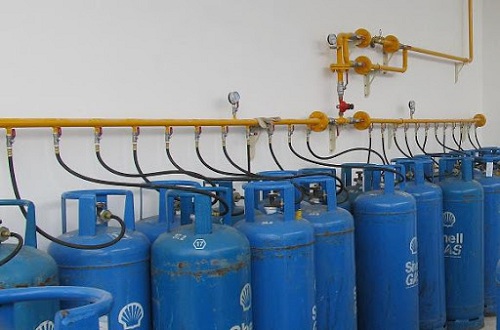
Which facilities require Gas System Installation?
The demand for industrial gas is increasingly common across various manufacturing and service sectors. Depending on the scale and operational characteristics of each facility, the Gas System Installation plan will be tailored specifically to meet consumption capacity, optimize efficiency, and guarantee absolute safety.
Gas System Installation for Restaurants
Restaurants are typical models where gas usage is high and continuous throughout operating hours. Kitchens often operate multiple stoves simultaneously, requiring a highly stable gas supply without pressure drops or fuel interruptions.
A well-designed restaurant Gas System Installation helps distribute gas evenly to each kitchen station, meeting massive cooking capacities during peak hours. At the same time, safety devices are integrated to minimize leakage risks, protecting both staff and customers during operation.
Gas System Installation for Hotels
Hotels are typically large-scale establishments with multiple areas requiring gas, such as main kitchens, buffet kitchens, food processing zones, in-house restaurants, and event catering sections. Therefore, the gas system must be meticulously calculated to meet concurrent demands from various locations.
A professional hotel Gas System Installation maintains stable pressure across the network, ensuring equipment operates efficiently, saves fuel, and elevates service quality. Additionally, scientific design facilitates convenient maintenance and routine checks.
Gas System Installation for Commercial Kitchens
Commercial kitchens in schools, hospitals, export processing zones, corporations, and communal canteens often serve hundreds to thousands of meals daily. This requires a high-capacity gas supply system that is continuous and highly stable.
For commercial kitchen Gas System Installation, safety is always the highest priority. Pipelines, valves, and regulator devices must be selected to match practical usage demands to prevent fuel loss, improve cooking efficiency, and ensure a safe working environment for kitchen staff.
Gas System Installation for Manufacturing Factories
In various manufacturing fields such as food, beverages, textiles, paint, chemicals, and mechanical processing, LPG is used as fuel for boilers, dryers, heating systems, and many other process equipments.
A factory Gas System Installation must be calculated accurately for flow rate, pressure, and future expansion capacity. Organizing piping layout scientifically, choosing appropriate equipment, and strictly complying with technical standards will keep the production lines running continuously, improve output, lower fuel expenses, and guarantee safety throughout the operational lifespan.
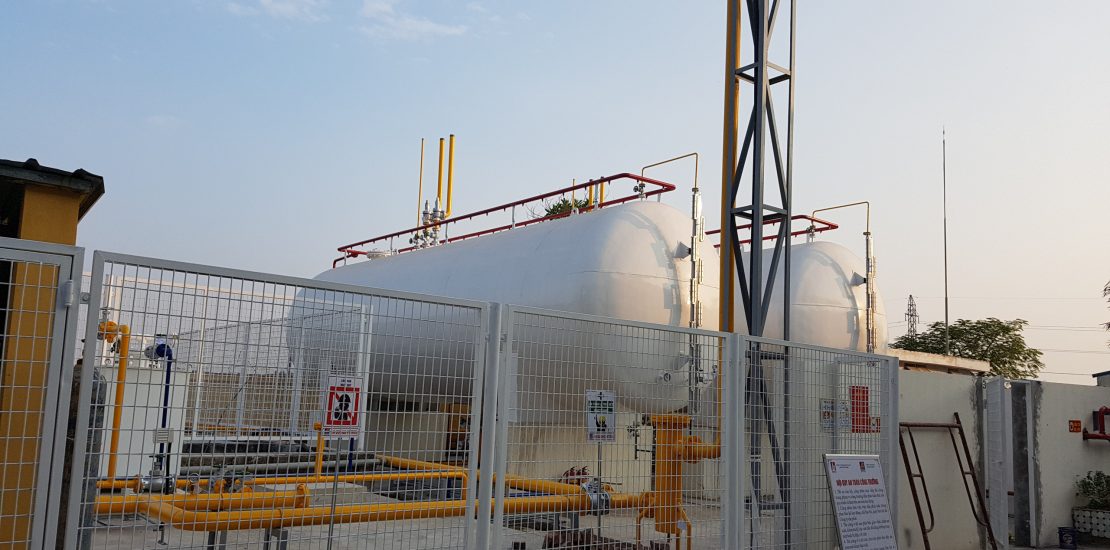
Gas System Installation for Hospitals, Schools, and Industrial Parks
In addition to the aforementioned works, Gas System Installation is also widely used in hospitals, schools, vocational training centers, industrial zones, and many other manufacturing sites. Each type of project has unique requirements concerning capacity, safety margins, and operational styles, which demands the contractor to possess solid practical experience, technical capacity, and the ability to consult suitable solutions to deliver optimal efficiency.
Technical Standard-Compliant Gas System Installation Process
Site Survey and Inspection
Our engineering team conducts physical site surveys, assesses consumption demands, designates the locations for the storage tank or cylinder manifold, and calculates safe clearances in accordance with rules.
Technical Drawing Design
Following the survey, engineers formulate detailed design plans, including pipeline schematics, locations for equipment, shut-off valves, regulators, and other related items.
The blueprints must be logical and scientific, facilitating straightforward operations and future maintenance.
Standard-Compliant Materials Selection
A durable Gas System Installation project requires utilizing quality standard-compliant materials such as:
-
Pressure-rated steel pipes.
-
Specialized shut-off valves.
-
Gas regulators.
-
Pressure gauges.
-
Safety relief valves.
-
Gas leak detectors.
-
Matched connection accessories.
Selecting correct materials ensures stable operation and elevates system lifespan.
System Installation Implementation
The entire piping network is fabricated, welded, and installed precisely based on technical drawings. Throughout construction, welded joints are strictly inspected to guarantee tightness and pressure-handling capabilities.
Pressure and Tightness Testing
This is a crucial phase in a standard gas system installation process. The system undergoes pressure testing with specialized equipment to detect any leaks before going into service.
Commissioning and Handover
Upon completing inspections, the system is commissioned for test runs, followed by user training and handover to the client along with complete technical documentation.
Key Technical Standards in Gas System Installation
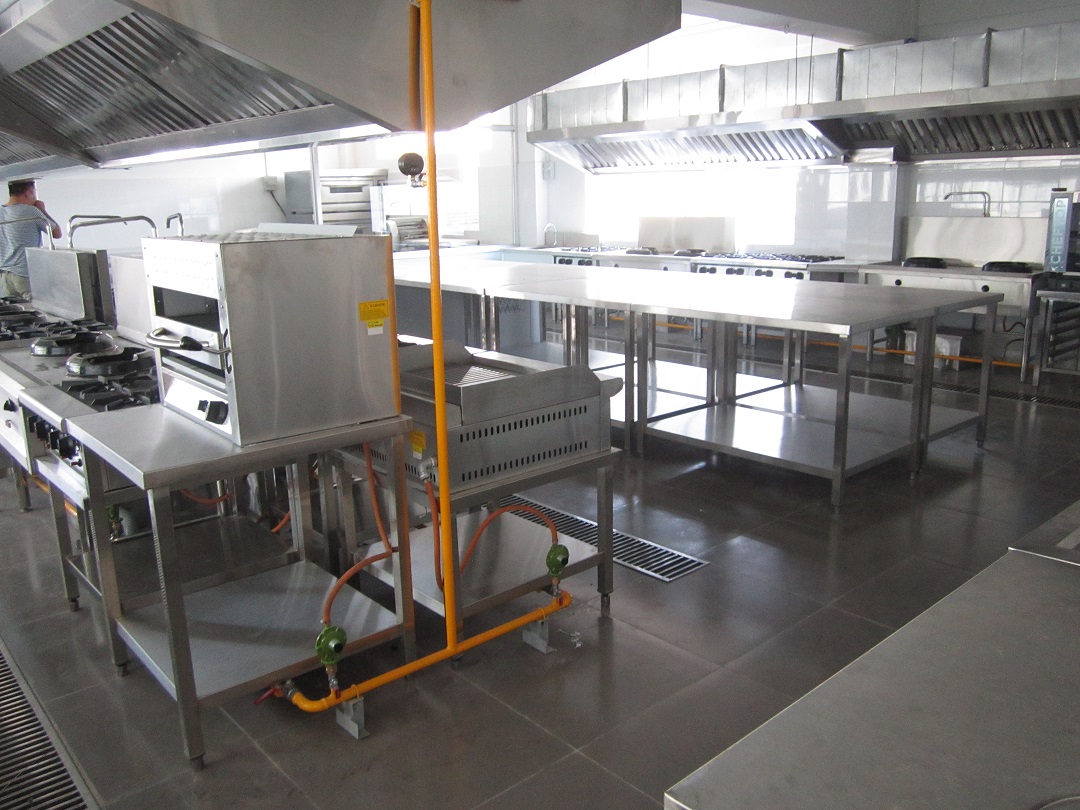
Ensuring Safe Clearance Distances
The location for gas cylinders or storage tanks must guarantee regulated clearances, avoiding proximity to heat sources and spark-prone areas.
Technically Compliant Piping Layout
Pipelines must be arranged logically, minimizing excessive bends, ensuring pressure endurance, and allowing easy inspection during maintenance.
Full Protection Equipment
A safe Gas System Installation for businesses is always fully equipped with:
-
Main shut-off valve.
-
Branch shut-off valves.
-
Pressure relief valves.
-
Gas regulators.
-
Pressure gauges.
-
Gas leak detectors (when necessary).
-
Fire prevention and fighting safety elements.
The entire system must comply with fire safety requirements, including positioning fire extinguishers, warning signs, and convenient access routes in case of emergency.
Common Mistakes to Avoid in Gas System Installation
Not Installing According to Blueprint Designs
Changing pipeline layouts or equipment locations arbitrarily during installation can impair operational efficiency and heighten safety hazards.
Using Low-Quality Materials
Non-standard equipment is susceptible to corrosion and leaks, compromising safety during operation.
Skipping Post-Installation Pressure Tests
By skipping tightness and pressure checks, minor technical oversights can turn into severe operational failures or hazards.
Neglecting Routine Maintenance
Even a standard-compliant Gas System Installation requires regular checks and maintenance to identify early signs of wear, ensuring the system remains in prime working condition.
Why Choose SOUTHERN CONSTRUCTION AND INDUSTRIAL GAS CO., LTD?
With years of experience in Gas System Installation, SOUTHERN CONSTRUCTION AND INDUSTRIAL GAS CO., LTD has successfully executed numerous projects for restaurants, hotels, factories, commercial kitchens, and enterprises throughout the region.
We always focus on:
-
Conducting surveys and proposing custom solutions for each facility.
-
Optimizing system design based on consumption needs.
-
Installing strictly in line with technical procedures.
-
Utilizing standard-compliant, quality-certified materials and equipment.
-
Rigorous testing and inspection before final handover.
-
Rapid support for maintenance, servicing, and troubleshooting.
-
Accompanying customers throughout the system's operation.
Grounded on the principles of quality and safety, our enterprise continuously upgrades technical capabilities to offer professional Gas System Installation solutions, meeting the increasingly high standards of our clients.
If your business is looking for a safe, sustainable, and cost-optimized Gas System Installation solution, SOUTHERN CONSTRUCTION AND INDUSTRIAL GAS CO., LTD is your reliable partner, ready to advise, design, and deploy systems that align perfectly with technical standards and project specifications.
Contact Information
SOUTHERN CONSTRUCTION AND INDUSTRIAL GAS CO., LTD
Address: 675B Quang Hoa Xuong, Lai Thieu Ward, Ho Chi Minh City
Hotline: 0869.870.870
Phone: 0869.870.870
Email: giaogasbinhduong@gmail.com
Website: https://thiconghethonggas.com/