


 VN
VNFire Protection for Agricultural Processing Plants: Safety Solutions for Production Areas
Fire protection for agricultural processing plants is a crucial component to safeguard people, machinery, raw materials, and facilities during production. Unlike conventional buildings, agricultural processing plants often accumulate large volumes of dry materials, organic dust, packaging, warehouses, and continuously operating equipment. These are all critical factors that must be thoroughly assessed when developing a fire protection plan.
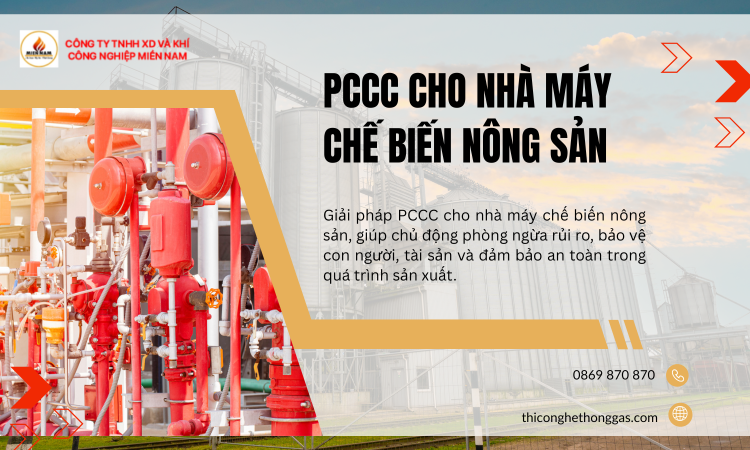
A fire protection system for agricultural processing plants goes beyond merely arranging firefighting equipment; it must be designed based on the practical characteristics of each area. From workshops, production lines, and drying areas to raw material warehouses and finished product storage, tailored solutions are essential.
Why Should Fire Protection for Agricultural Processing Plants Be a Priority?
Specific Characteristics of Raw Materials in the Plant
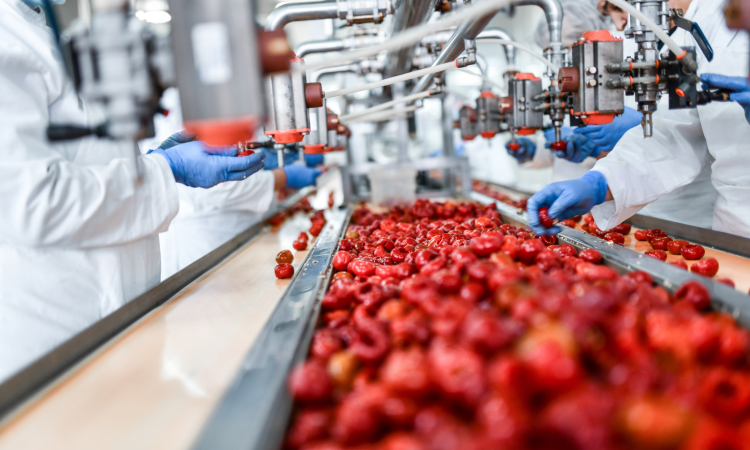
During processing, plants may use various types of agricultural products such as seeds, grains, powder, dry ingredients, and pre-processed products. Additionally, paper, cardboard, packaging, and wrapping materials are widely used.
When these materials are concentrated in large quantities, controlling heat sources and potential spark ignition points becomes absolutely essential. This is why fire protection for agricultural processing plants must be carefully calculated right from the design stage.
Continuously Operating Machinery
Production lines typically employ numerous electrical devices and machinery operating for extended periods. Motors, electrical cabinets, wiring, and heat-generating equipment must all be managed to mitigate the risk of incidents.
Therefore, the fire protection system for agricultural processing plants should be designed in synchronization with the production lines rather than as an isolated installation.
Areas That Need Assessment When Designing Fire Protection Systems
Receiving and Raw Material Processing Area
This is where raw materials enter the plant, are gathered, and undergo pre-processing steps. Since raw material volumes fluctuate based on production scale, a specific assessment of area, storage methods, and equipment used is required.
When implementing fire protection for agricultural processing plants, this area must be evaluated regarding:
- Concentrated raw material sources.
- Pre-processing equipment.
- Electrical systems.
- Distances between zones.
- Pathways and access routes.
- Locations for fire protection equipment installation.
Drying and Heating Area
The drying area is characterized by the use of high-intensity heat sources and operating equipment. Therefore, this zone must be prioritized for assessment when developing fire safety solutions for agricultural processing plants.
The design plan must consider the relationship between drying equipment, energy sources, electrical systems, piping, and locations prone to heat generation.
Grinding and Dust Handling Area
Grinding, milling, or handling raw materials can generate combustible dust. If dust accumulates over time, the risk of fire can escalate when exposed to heat sources or sparks.
Hence, fire protection in agricultural processing plants must integrate alarm systems, firefighting equipment, and measures to control ignition sources within the production area.
Raw Material and Finished Product Warehouses
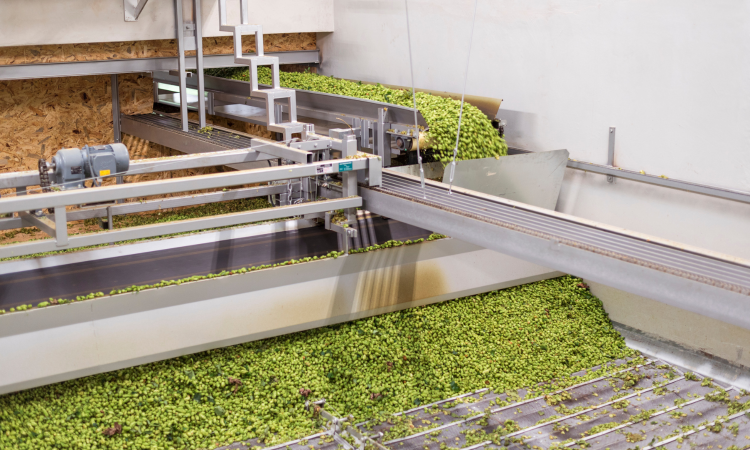
Warehouses typically store large volumes of raw materials, packaging, or finished products. The layout of goods, storage clearance, and accessibility in the event of an incident must be calculated from the outset.
For fire protection in agricultural processing plant warehouses, the solution must be integrated with the facility's overall fire protection system.
What Are the Key Components of an Agricultural Processing Plant Fire Protection System?
Fire Alarm System
The fire alarm system detects abnormal signs and issues alerts so that workers can respond promptly according to the established plan.
Depending on the facility's features, the system may include detectors, alarm devices, control panels, and other related components.
When designing a fire alarm system for an agricultural processing plant, installation locations must be calculated based on area, height, production environment, and specific zone characteristics.
Firefighting System
The firefighting system is a key element of fire protection in agricultural production plants. Specific solutions must be selected based on the facility's scale, functionality, and fire risk characteristics in each area.
A highly synchronized design facilitates easier operation and faster response during emergencies.
Fire Water Supply System
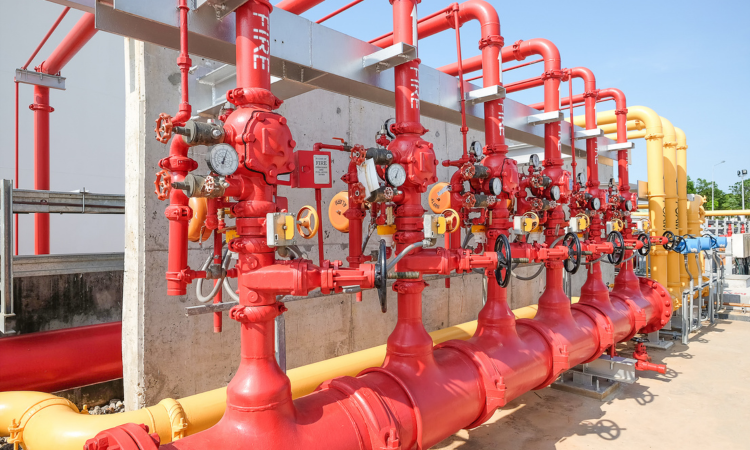
The water supply for firefighting must be calculated to match the design plan. Components such as water sources, pumps, and the piping network must be laid out cohesively.
During the installation of fire protection for agricultural processing plants, the operational capability of the water supply system must be tested according to the facility's technical specifications.
On-Site Firefighting Equipment
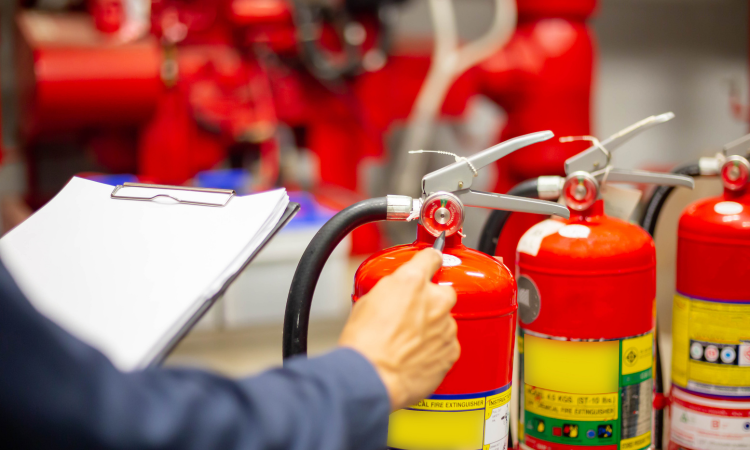
On-site firefighting equipment assists in handling emergencies during the initial stages. Their placement must be highly visible, easily accessible, and free of obstructions to walkways or production activities.
Key Considerations for Designing Fire Protection in Agricultural Processing Plants
Site Survey and Analysis
A fire protection design plan for an agricultural processing plant must be based on actual on-site conditions. A generic plan should not be applied to all plants, as every facility differs in scale, production lines, and functionality.
Key factors to survey include:
- Workshop area and height.
- Function of each zone.
- Processing lines.
- Machinery layout.
- Raw material warehouses.
- Finished product warehouses.
- Electrical systems.
- Escape routes.
- Water sources.
- Characteristics of raw materials used.
A more comprehensive survey ensures the fire protection plan is better suited to actual plant operations.
Hazard Area Classification
Each area within the plant can present distinct hazard profiles. Drying zones, grinding sections, raw material storage, and electrical equipment rooms must be evaluated individually.
Logical zoning makes the plant's fire protection system easier to manage and more convenient to inspect and maintain.
Common Mistakes That Reduce Fire Protection Efficiency
Focusing Solely on Equipment
A system equipped with sufficient devices that do not align with production characteristics can still diminish the efficiency of fire prevention and fighting.
Zones with dust, high temperatures, humidity, or continuously running machinery must be individually assessed when developing fire protection solutions for agricultural processing plants.
Neglecting Regular Inspections
Upon completing the fire protection installation at the agricultural processing plant, the system must undergo routine testing and maintenance as required for the facility.
Routine checks help identify early issues related to devices, power supplies, warning systems, or other components.
Failing to Train Employees
Fire protection equipment is only effective if workers know how to operate it and respond correctly during an incident.
The plant must establish appropriate protocols so that personnel can recognize warning signals, handle initial scenarios, and execute evacuation plans if necessary.
Integrating Fire Protection for Agricultural Processing Plants Cohesively
Fire protection for agricultural processing plants should be viewed as an integrated system, starting from surveying, design, solution selection, installation, and inspection, to operation and maintenance.
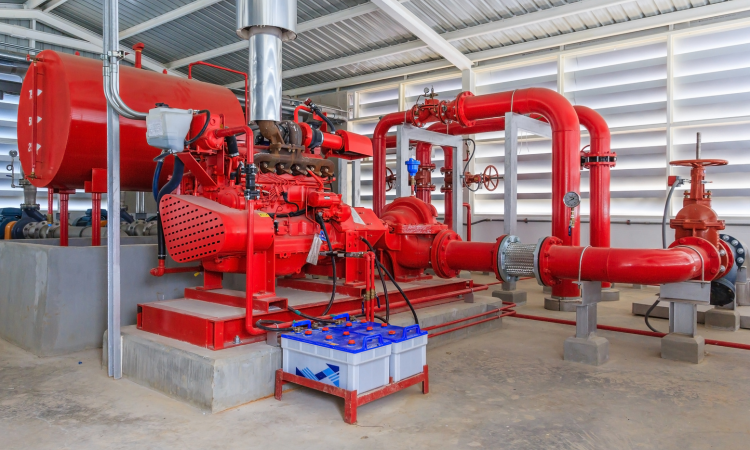
In particular, agricultural processing plants consist of various zones with differing requirements. Production workshops, drying zones, grinding areas, raw material storage, and finished product warehouses must all be evaluated based on actual operational conditions.
Developing a suitable plan from the beginning allows businesses to take a proactive stance in fire safety while facilitating easier inspection and system operations.
Fire Protection Contractor for Agricultural Processing Plants
For large-scale industrial facilities, installing fire protection systems for agricultural processing plants requires a survey and deployment process synchronized with the specific attributes of each plant.
SOUTHERN CONSTRUCTION AND INDUSTRIAL GAS CO., LTD provides solutions related to fire protection systems and engineering components for facilities, supporting enterprises with professional site surveys, consulting, and implementation according to actual requirements.
When inquiring about fire protection for agricultural processing plants, businesses should prepare information regarding the area, functional layout, production lines, storage zones, and current facility status to enable our specialists to perform a precise assessment.
Contact Information
SOUTHERN CONSTRUCTION AND INDUSTRIAL GAS CO., LTD
Address: 675B Quang Hoa Xuong, Lai Thieu Ward, Ho Chi Minh City
Hotline: 0869.870.870
Phone: 0869.870.870
Email: giaogasbinhduong@gmail.com
Website: https://thiconghethonggas.com/