


 VN
VNInstalling Fire Protection Systems for Automotive Manufacturing – Safety Solutions for Industrial Factories
In the automotive manufacturing environment, fire hazards can arise from various areas such as production lines, material warehouses, paint shops, electrical systems, machinery, and locations utilizing fuel or industrial gas. Therefore, installing fire protection systems for automotive manufacturing not only meets safety requirements but also protects lives, equipment, and factories while maintaining continuous production.
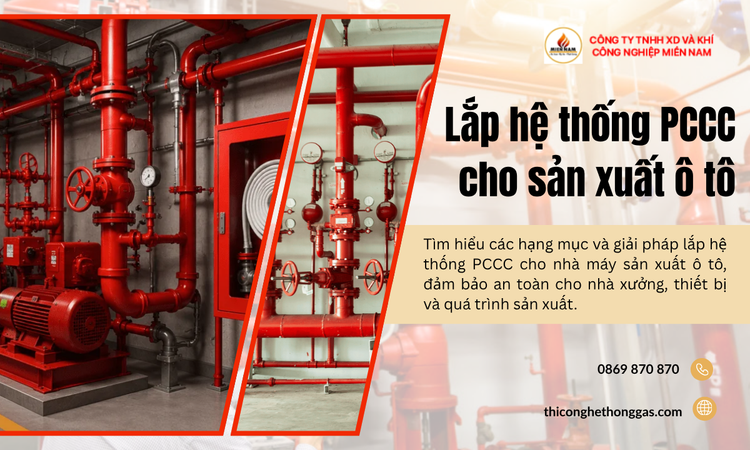
Unlike conventional projects, automotive manufacturing plants are large in scale, with numerous functional areas and diverse fire hazards. Therefore, the fire protection system for an automotive plant must be designed based on actual functions, layouts, technology lines, and the material characteristics of each specific area.
Why Do Automotive Manufacturing Plants Need Specialized Fire Protection Systems?
Automotive manufacturing plants are typically large-scale facilities with multiple technology lines divided into areas with distinct operational characteristics. Since each area presents its own potential fire risks, installing a fire protection system for automotive manufacturing must be designed based on the actual conditions of each area rather than applying a single, uniform protection scheme for the entire plant.
Coexistence of Multiple Fire Hazards
During production, heat sources can originate from electrical equipment, engines, machinery, machining processes, or high-temperature manufacturing stages.
Additionally, packaging materials, components, oils, solvents, and certain chemicals can also increase fire risks if not properly managed.
Therefore, installing fire protection systems for automotive manufacturing must begin with a comprehensive hazard assessment across the entire factory instead of focusing on a single area.
Large-Scale Factory Floor
The vast production space requires rapid fire detection and response. If a fire is not detected in time, smoke and heat can quickly spread to neighboring areas, impacting personnel, machinery, and manufacturing activities.
Hence, fire alarms, fire suppression, emergency warning systems, and evacuation support solutions must be deployed based on the factory's actual layout, functions, and operational characteristics. This forms a critical foundation for enhancing efficiency when installing fire protection systems for automotive manufacturing.
Key Areas to Focus on When Installing Fire Protection Systems for Automotive Manufacturing
One of the key factors when installing fire protection systems for automotive manufacturing is clearly identifying each functional area in the plant. Each area features distinct equipment, materials, and fire hazard levels, requiring tailored protection strategies rather than a one-size-fits-all solution.
Production Area
This area hosts a high concentration of machinery, technology lines, electrical devices, and continuous manufacturing activities. The fire protection system must be strategically laid out to detect incidents early, issue timely warnings, and support fire suppression from the initial stage. The placement of detectors, extinguishing equipment, and access routes should also account for the specifics of each production line.
Material and Component Warehouse
Warehouses usually store a massive volume of components, materials, packaging, and various commodities, requiring independent fire risk assessments. When installing fire protection systems for automotive manufacturing, factors such as cargo layout, storage height, stocking density, and material flammability must be thoroughly evaluated to select the most suitable protection solution.
Paint and Finishing Area
The paint, coating, and finishing areas require high attention due to the regular use of paints, solvents, and other highly flammable materials. The fire protection approach must be based on technological processes, types of substances used, ventilation conditions, and actual site characteristics to maximize risk control.
Electrical Rooms and Technical Areas
Electrical rooms, control panels, cabling systems, and technical equipment are critical zones requiring tailored safety solutions. When deploying fire protection systems for automotive manufacturing, engineers must factor in equipment specifications, electrical fire hazards, and fire suppression demands that minimize damage to machinery. Additionally, electrical control and maintaining access to technical areas are crucial aspects.
Components of a Fire Protection System for Automotive Plants
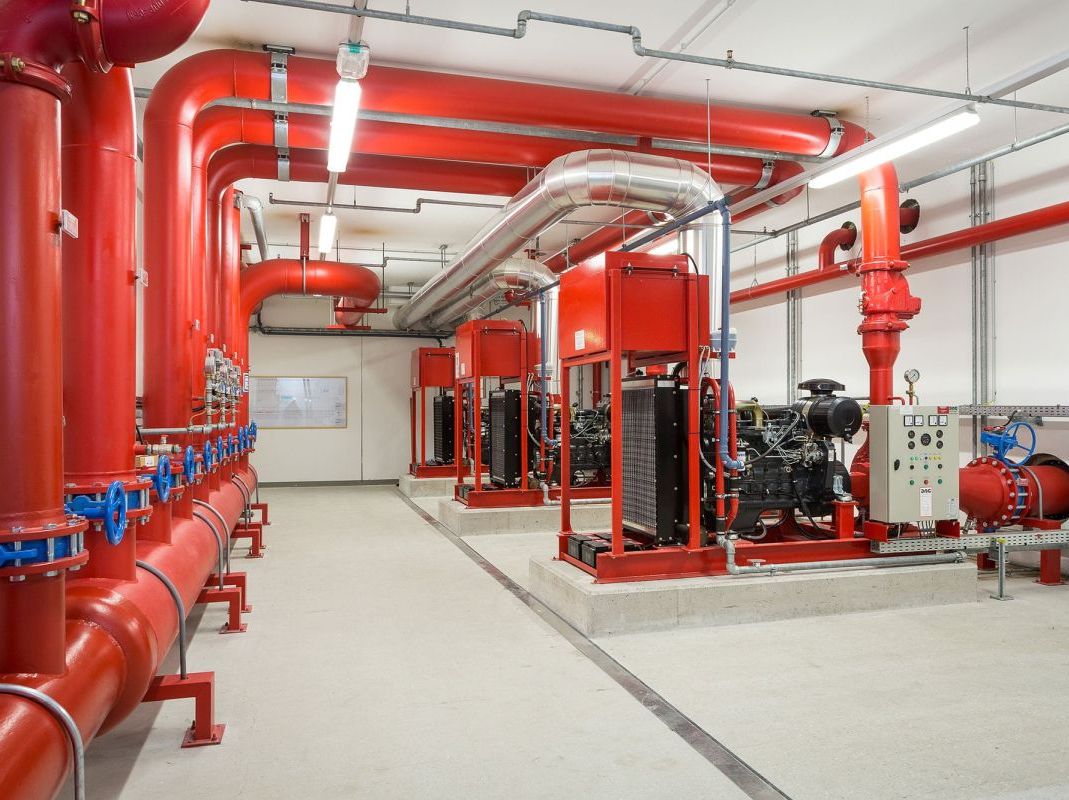
A comprehensive fire protection system for an automotive plant is not just about extinguishers; it is an integrated combination of multiple components, from detection and alarm to suppression, smoke control, and evacuation support. When installing fire protection systems for automotive manufacturing, these items must be systematically integrated based on the scale, function, and fire hazard profile of each area.
Fire Alarm System
The fire alarm system is responsible for detecting early abnormal signs and issuing warnings so that occupants can respond or evacuate the danger zone immediately.
When installing fire protection systems for automotive manufacturing, the positioning of detectors, warning devices, and control panels must be calculated according to the area, ceiling height, operating environment, and features of each factory space.
Fire Suppression System
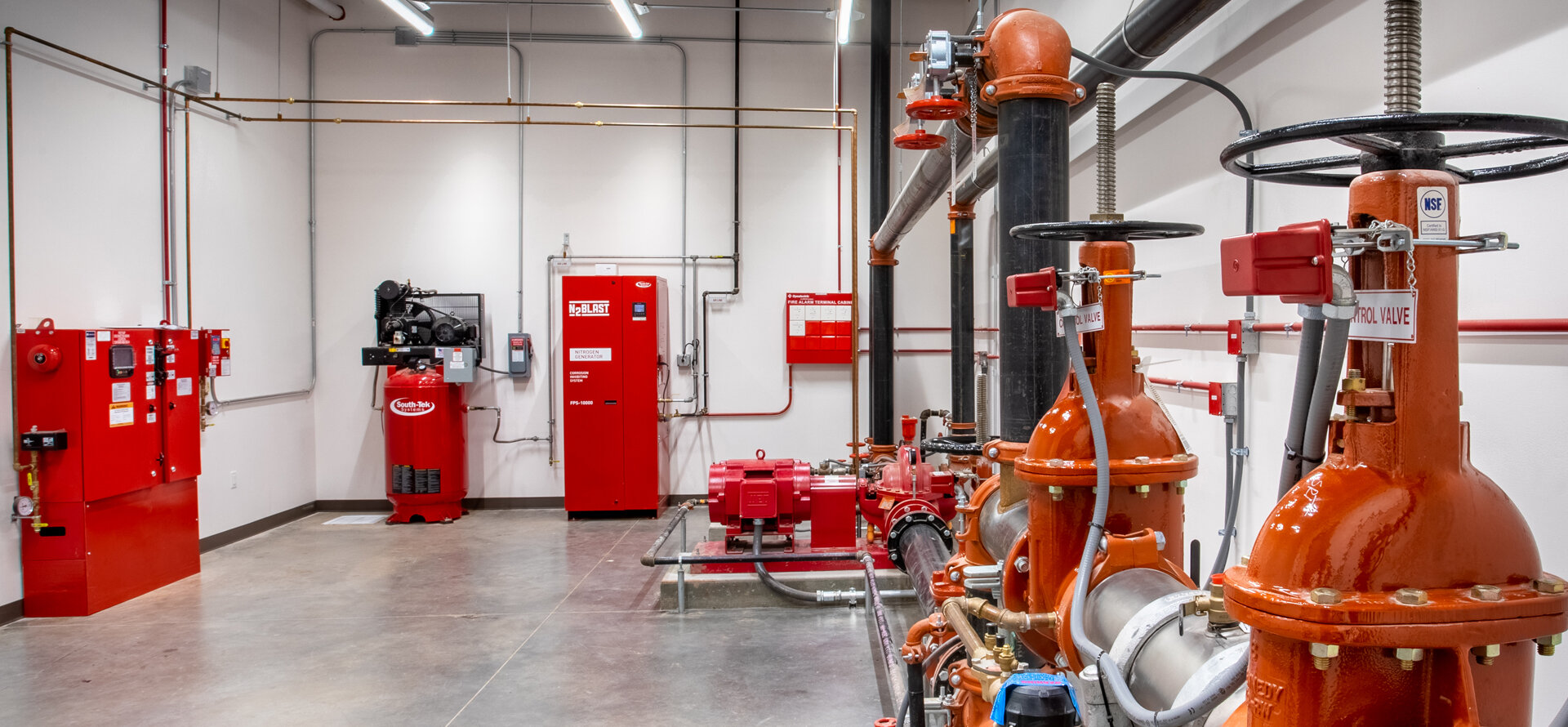
The fire suppression system is a critical component that controls and extinguishes fires when incidents occur. Depending on the scale and fire risk profiles of the facility, different areas may require tailored extinguishing solutions.
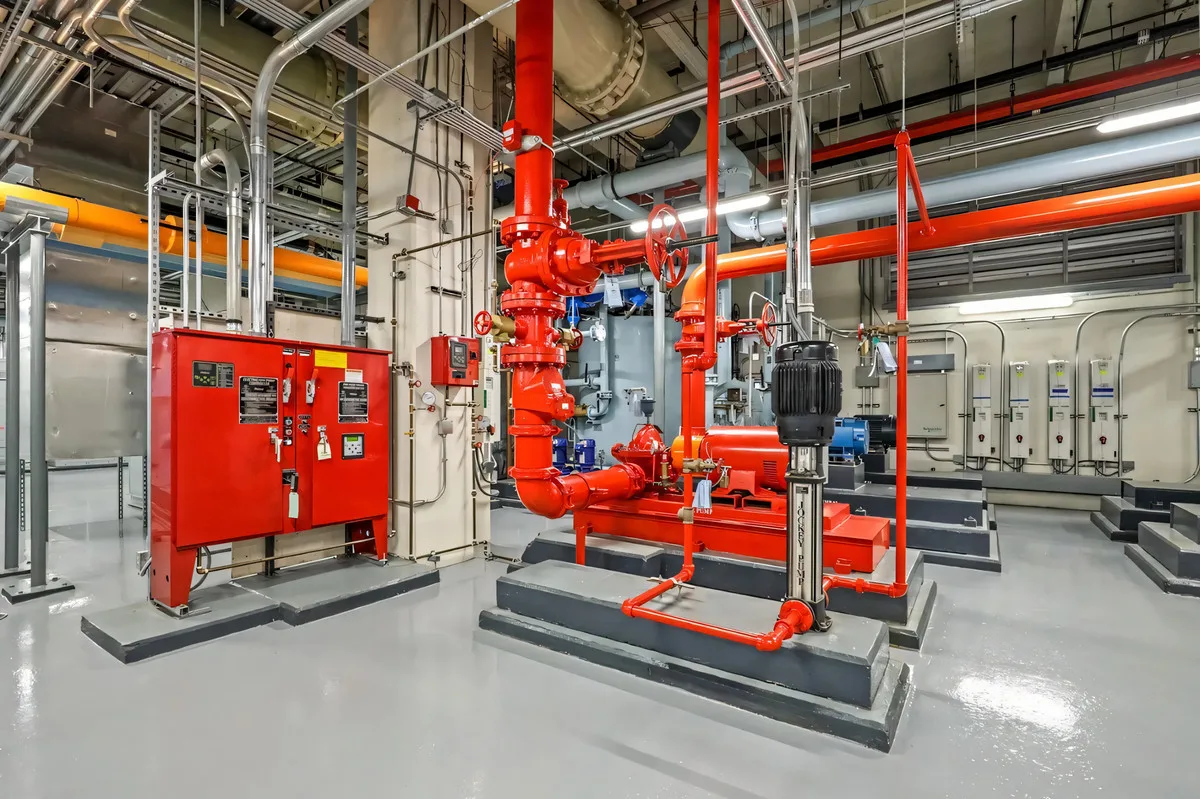
Components such as piping, extinguishing apparatus, water supply networks, and related equipment must be designed cohesively to guarantee reliable operation during an emergency.
Fire Water Supply System
Water sources and supply capacity are essential aspects of fire protection design in automotive plants. The system must meet the high-flow requirements of the firefighting strategy and match the actual scale of the facility.
Selecting pumps, pipes, water reservoirs, and associated hardware must rely on technical calculations and approved fire safety plans, rather than empirical assumptions.
Smoke Extraction and Evacuation Support Systems
When a fire breaks out, smoke can quickly impair visibility, movement, and evacuation efforts inside the factory. Therefore, smoke control and extraction systems must be integrated alongside evacuation solutions.
Furthermore, emergency exits, exit signs, and safety support equipment must be systematically laid out, helping workers identify exit routes and evacuate danger zones swiftly when needed.
Where Should the Process of Installing Fire Protection Systems for Automotive Manufacturing Begin?
A large-scale project should never start with purchasing equipment before determining the installation plan. The most efficient approach is to conduct surveys, designs, and define solutions prior to deployment.
Site Survey of the Factory
The contractor must understand the total area, ceiling height, functions, production lines, warehouse locations, technical rooms, and potential fire hazard zones.
This data serves as the foundation for building a practical and tailormade fire safety plan for the automotive plant.
Fire Risk Analysis
Different areas harbor unique hazards. Comprehensive analysis helps determine the exact locations needing enhanced detection, warning, or suppression capabilities.
System Design
Following the survey, the fire protection design for the automotive plant is engineered based on functions, scale, and applicable technical regulations.
Construction and Installation
Equipment, piping, and related systems are installed in strict accordance with the blueprints. The installation phase must ensure seamless synchronization between the fire protection network and other technical infrastructure in the plant.
Testing and Commissioning
Upon completion, the system is tested for operational readiness and undergoes official commissioning and regulatory approval processes as required.
Key Factors Influencing the Quality of Fire Protection Systems
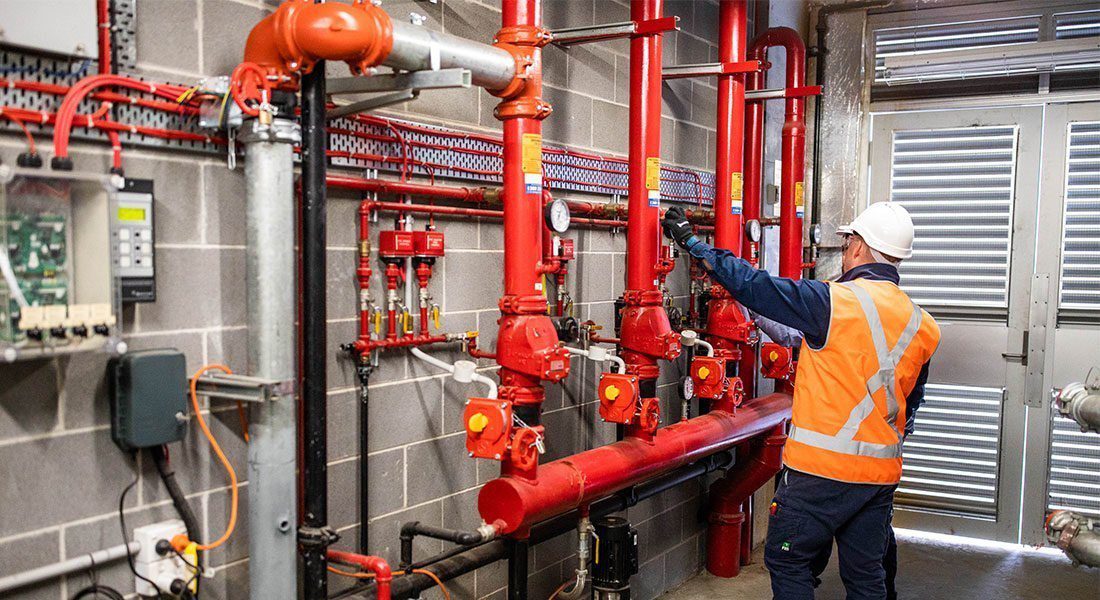
The quality of installing fire protection systems for automotive manufacturing depends not only on the hardware used but also heavily on the surveying, design, installation, and maintenance processes. A well-invested system must match actual manufacturing needs and remain stable over long-term operation.
Designs Must Closely Align with Production Lines
Production lines vary from plant to plant, spanning assembly zones, component warehouses, paint shops, and finishing sections. Therefore, the blueprints for installing fire protection systems in automotive plants must be tailored to the layout, functions, and fire risk profile of each specific area.
A meticulous initial survey ensures rational hardware placement, eliminating system redundancies or hardware shortages during operation.
Equipment Must Suit the Operational Environment
Not all fire safety devices are suitable for every plant location. Fluctuations in temperature, humidity, dust, chemicals, oil exposure, and specific area operations must be factored into hardware selection.
For installing fire protection systems in automotive manufacturing, the equipment must satisfy technical standards and match actual environment conditions to ensure reliable performance during emergency events.
Systems Must Be Maintenance-Friendly
A fire protection system is only truly effective if it is inspected and serviced regularly. Therefore, hardware accessibility, the layout of testing points, and maintenance convenience must be mapped out during the design stage.
This is also a vital factor that keeps the fire protection systems for automotive manufacturing fully operational, catching system faults or glitches before they are called to action.
SOUTHERN CONSTRUCTION AND INDUSTRIAL GAS CO., LTD – Fire Protection Solutions for Manufacturing Facilities
For large-scale factories, installing fire protection systems for automotive manufacturing must be implemented based on actual site surveys and proper blueprints. Partnering with an authorized and competent contractor eases the workflow of design, installation, inspection, and routine maintenance.
SOUTHERN CONSTRUCTION AND INDUSTRIAL GAS CO., LTD provides specialized solutions in fire protection system installation and industrial engineering infrastructure, tailor-made for factories and manufacturing works.
Contact Information
SOUTHERN CONSTRUCTION AND INDUSTRIAL GAS COMPANY LIMITED
Address: 675B Quang Hoa Xuong, Lai Thieu Ward, Ho Chi Minh City
Hotline: 0869.870.870
Phone: 0869.870.870
Email: giaogasbinhduong@gmail.com
Website: https://thiconghethonggas.com/