


 VN
VNInstalling a Gas System: A Comprehensive Guide

Introduction
The installation of a gas system is a crucial aspect in both residential and commercial buildings. Safely utilizing gas for heating and cooking can enhance efficiency and comfort. This article outlines the key steps, considerations, and best practices for installing a gas system.
1. Understanding Gas Types
Before installation, it’s vital to understand the type of gas being used. Natural gas is commonly used, but propane is another popular option. Each gas type has specific installation requirements and safety measures that must be adhered to.
2. Safety First
Safety is paramount when working with gas systems. Prior to any installation, ensure that:
- All regulations and codes are followed.
- The area is well-ventilated.
- Proper personal protective equipment (PPE) is worn.
3. Planning the Installation
3.1 Assessing the Space
Evaluate the space where the gas system will be installed. Ensure there is adequate space for all components and that the area complies with local regulations.
3.2 Sizing the System
The gas system must be appropriately sized to meet the demand of appliances. This includes calculating BTU requirements and ensuring the gas line can supply sufficient pressure.
4. Installation Steps
4.1 Gather Necessary Materials
Collect all necessary components, such as:
- Gas pipes (copper or polyethylene)
- Connectors
- Regulators
- Valves
- Fittings
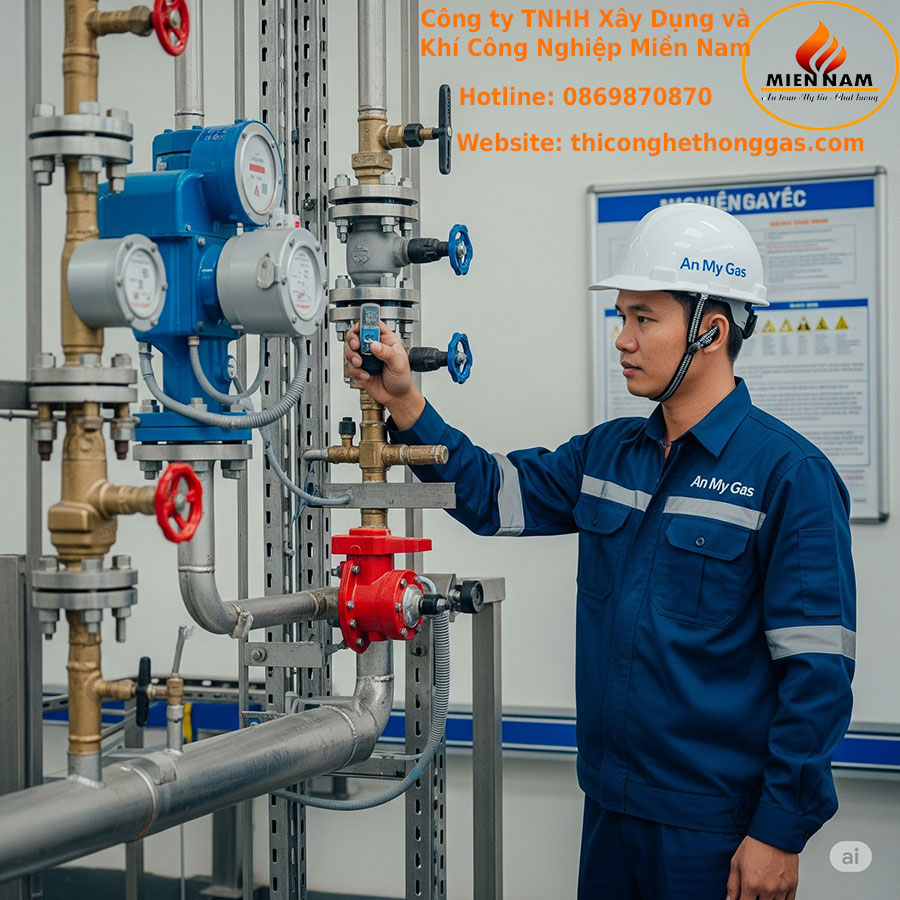
4.2 Installing Gas Lines
Begin by laying out the gas lines according to the planned layout. Ensure that:
- All pipes are securely fitted.
- Joints are sealed properly to prevent leaks.
4.3 Installing Appliances
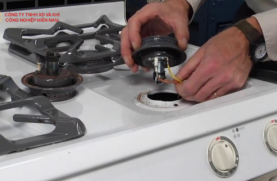
Once the gas lines are installed, connect the gas appliances. Follow the manufacturer's instructions for each appliance to ensure safety and efficiency.
4.4 Pressure Testing
After installation, perform a pressure test to check for leaks. This involves pressurizing the system with the appropriate gas and monitoring for drops in pressure.
5. Final Safety Checks

Ensure that all connections are secure, and conduct a final inspection of the entire system. Check for:
- Proper ventilation
- Sufficient clearances around appliances
- Functional shut-off valves
6. Conclusion
Installing a gas system requires careful planning and skilled execution. Following these steps can ensure a safe, efficient, and reliable gas system. Always consider hiring a licensed professional for installation to comply with safety standards and local regulations.
7. Additional Resources
For further assistance, consult local gas authorities and refer to the National Fire Protection Association (NFPA) guidelines on gas installations.