


 VN
VNIntroduction
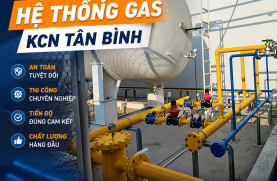
A central gas system serves as an efficient solution for heating and cooking in larger residential or commercial buildings. This system allows multiple appliances to be supplied with gas from a single source, maximizing efficiency and minimizing the risks associated with multiple installations. This article outlines the key steps and considerations involved in installing a central gas system.
1. Understanding Central Gas Systems
A central gas system consists of a main gas supply line that feeds various gas appliances throughout a building. This system is often favored for its convenience and improved energy efficiency.
2. Safety Considerations
When installing a central gas system, safety is crucial. Be sure to:
- Abide by local codes and regulations.
- Ensure adequate ventilation in areas where gas will be used.
- Use appropriate personal protective equipment (PPE).
3. Planning the Installation
3.1 Site Assessment
Evaluate the area where the central gas system will be installed. Identify the location of gas appliances and determine the distance from the main gas line to each appliance.
3.2 System Design
Design the layout of the gas lines to ensure optimal flow and pressure. Consider factors such as:
- Pipe sizing
- Number of appliances being serviced
- Potential future expansions
4. Installation Process
4.1 Gather Materials
Collect all necessary components, including:
- Main gas supply line (typically copper or polyethylene)
- Secondary distribution lines
- Fittings and connectors
- Regulators and valves
- Gas meters, if required
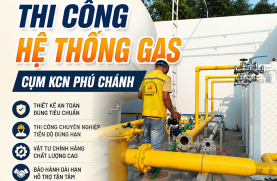
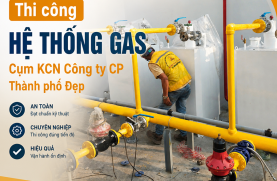
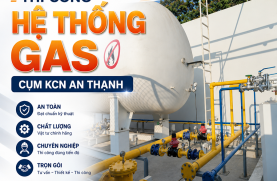
4.2 Laying Out the Gas Lines
Follow the designed layout to install the main gas line and distribution branches. Ensure:
- Pipes are securely connected.
- Appropriate underground or above-ground installation practices are followed.
4.3 Connecting Appliances
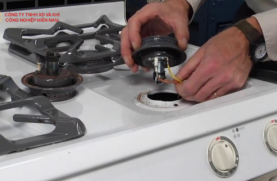
Install gas appliances according to manufacturer specifications. Ensure each connection is tight and sealed to prevent leaks.
4.4 Perform Pressure Testing
After installation, conduct a pressure test on the entire system. This involves pressurizing the gas lines and checking for any pressure drops, which would indicate leaks.
5. Final Checks and Safety Protocols
Conduct a final inspection, ensuring:
- All connections are secure and properly fitted.
- Ventilation systems are adequate.
- Shut-off valves are readily accessible.
6. Conclusion
Installing a central gas system can significantly improve the efficiency and functionality of heating and cooking in a building. By following the outlined steps and prioritizing safety, you can ensure a successful installation. It's advised to consult with or hire licensed professionals to comply with safety guidelines and local regulations.
7. Additional Resources
For more information, refer to local gas authorities and guidelines from the American Gas Association (AGA) regarding safe installation practices.