


 VN
VNIntroduction to Industrial Gas Systems
In today’s competitive industrial landscape, efficiency and safety are paramount. One of the critical components that contribute to this efficiency is the Industrial Gas System. This article will delve into what industrial gas systems are, their components, applications, and benefits.
What is an Industrial Gas System?
An industrial gas system refers to the network of components used for the production, storage, distribution, and utilization of industrial gases such as oxygen, nitrogen, argon, and other specialized gases. These systems play a crucial role in various industries, including manufacturing, healthcare, food processing, and more.
Key Components of an Industrial Gas System
-
Gas Production Units: Facilities that generate industrial gases through various methods, including cryogenic distillation, pressure swing adsorption, and chemical processes.
-
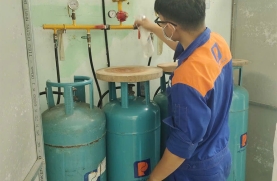
Storage Tanks: Secure tanks designed to hold gases at required pressures and temperatures. Proper storage ensures safety and availability of gases.
-
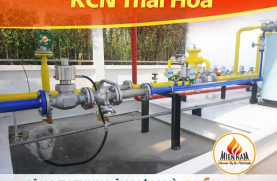
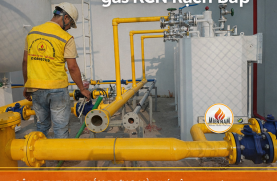
Distribution Networks: Pipelines and transport systems that deliver gases from storage facilities to end-users. This network is designed to maintain pressure and purity.
-
Monitoring and Control Systems: Advanced technologies that track gas levels, flow rates, and safety conditions to ensure the system operates efficiently and safely.
Applications of Industrial Gas Systems
Industrial gas systems are utilized across several sectors, including:
- Manufacturing: Used in processes such as welding, cutting, and thermal processing.
- Healthcare: Essential for medical oxygen supply in hospitals and for various medical treatments.
- Food Processing: Involved in food packaging and preservation, extending shelf life and ensuring safety.
- Chemical Manufacturing: Used for various chemical reactions and processes.
Benefits of Utilizing Industrial Gas Systems
- Enhanced Efficiency: Automated delivery and monitoring systems reduce downtime and increase productivity.
- Safety and Compliance: Advanced safety features and regular maintenance protocols help to meet safety standards and regulations.
- Cost-Effectiveness: Centralized gas production and distribution can significantly lower operational costs.
- Environmental Impact: Many industrial gas systems are designed to minimize waste and reduce emissions, contributing to a greener environment.
Conclusion
Investing in an industrial gas system not only boosts operational effectiveness but also ensures safety and compliance across various industries. As businesses strive to enhance efficiency and reduce costs, the role of industrial gas systems becomes increasingly pivotal. For industries looking to optimize their processes, a well-established industrial gas system is essential for success.
SEO Optimization Tips
To ensure this content ranks well in search engines, consider the following SEO strategies:
- Use relevant keywords such as "industrial gas systems," "gas distribution," and "gas safety."
- Include headings and subheadings for better readability and structure.
- Utilize internal and external links to authoritative sources.
- Optimize for mobile responsiveness to enhance user experience.
- Regularly update content to keep it relevant and accurate.
By focusing on these aspects, this article can effectively serve as a valuable resource for those interested in industrial gas systems.